
Handcrafted Blades
Melbourne, Australia
Handcrafted Blades
Melbourne, Australia
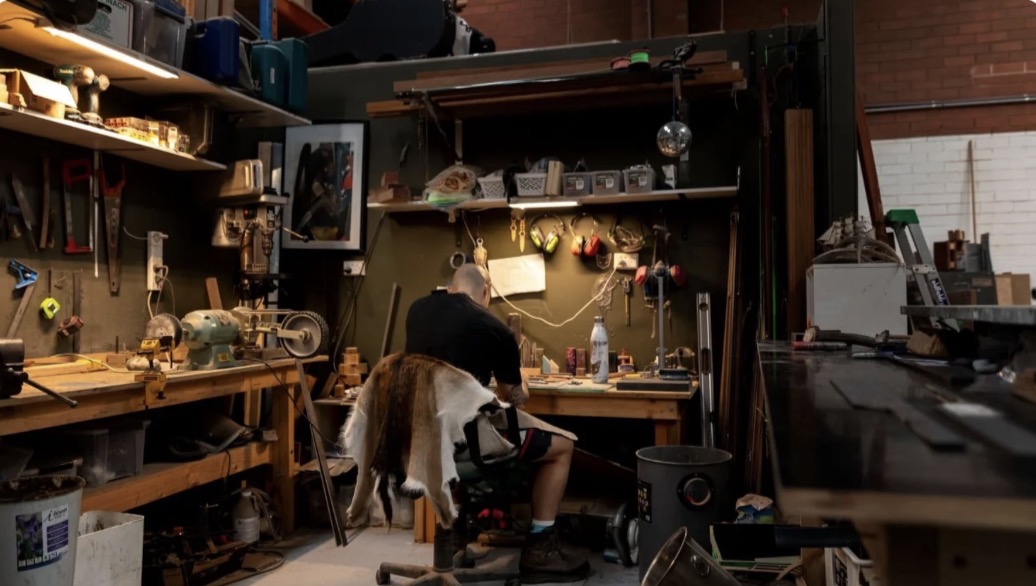
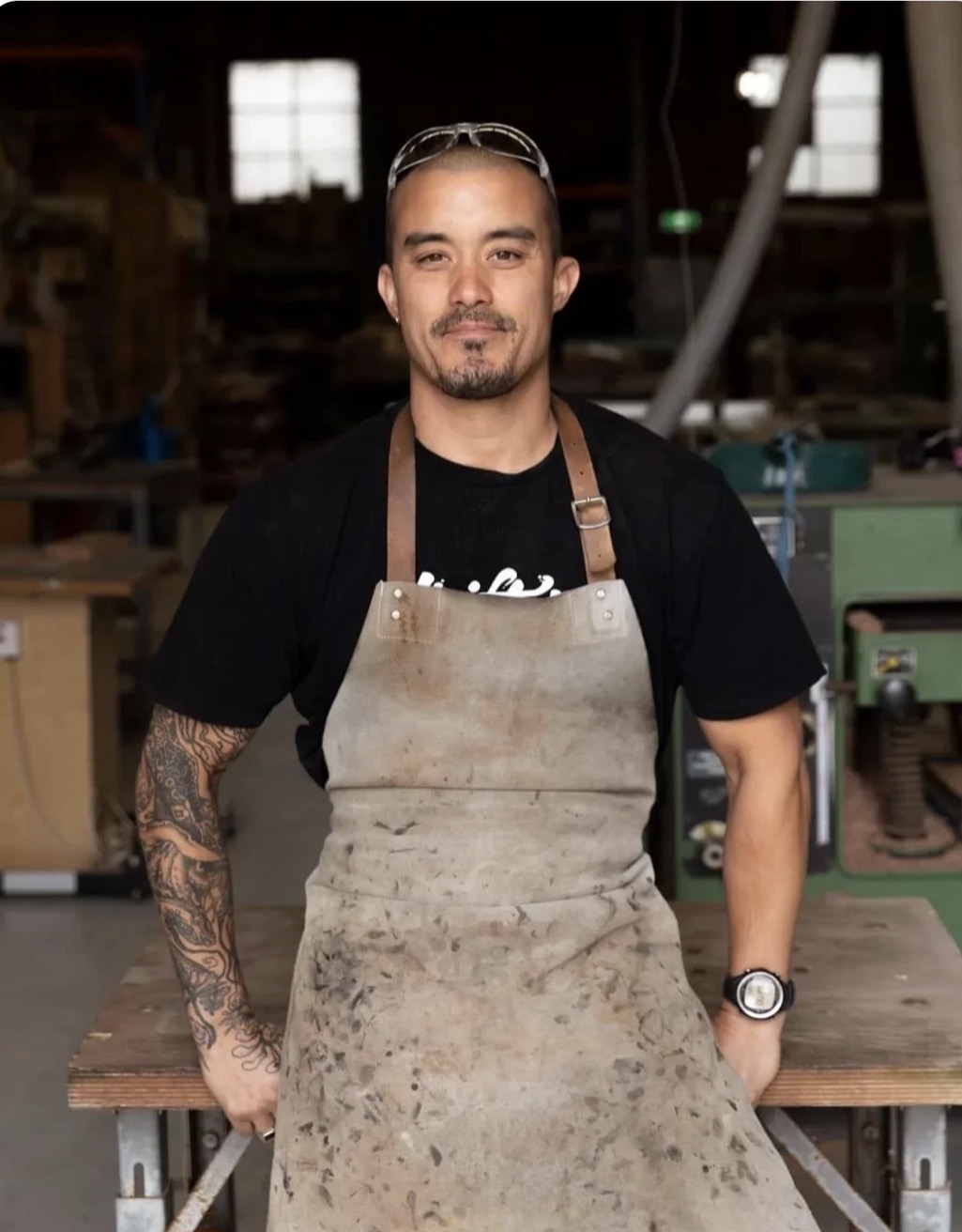
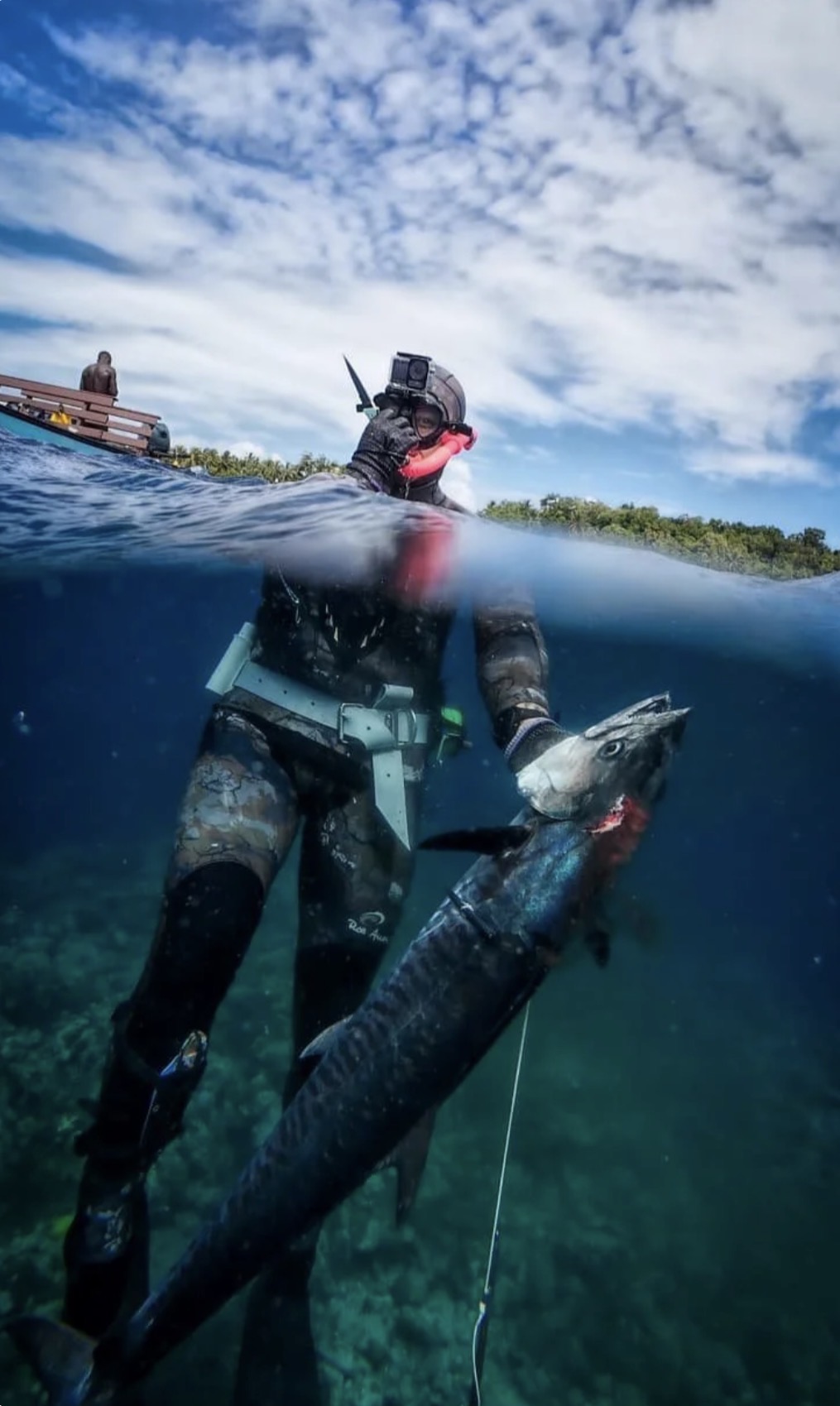
Hi, I'm Brenton — a dedicated freediver, spearfisherman and bowhunter based in Melbourne, Australia. I'm passionate about living a life connected intimately with the natural world and create tools inspired by this passion.
The ocean and the mountains shaped who I am. Spending time in wild places gave me perspective, humility, and a deeper understanding of my place in the world.
Today, as a hunter and freediver, I bring that experience into the tools I make. Each piece is designed for use in the wilderness and built with care, respect, and intention — worthy of the responsibility that comes with taking a life and honoring the natural cycle of life and death.
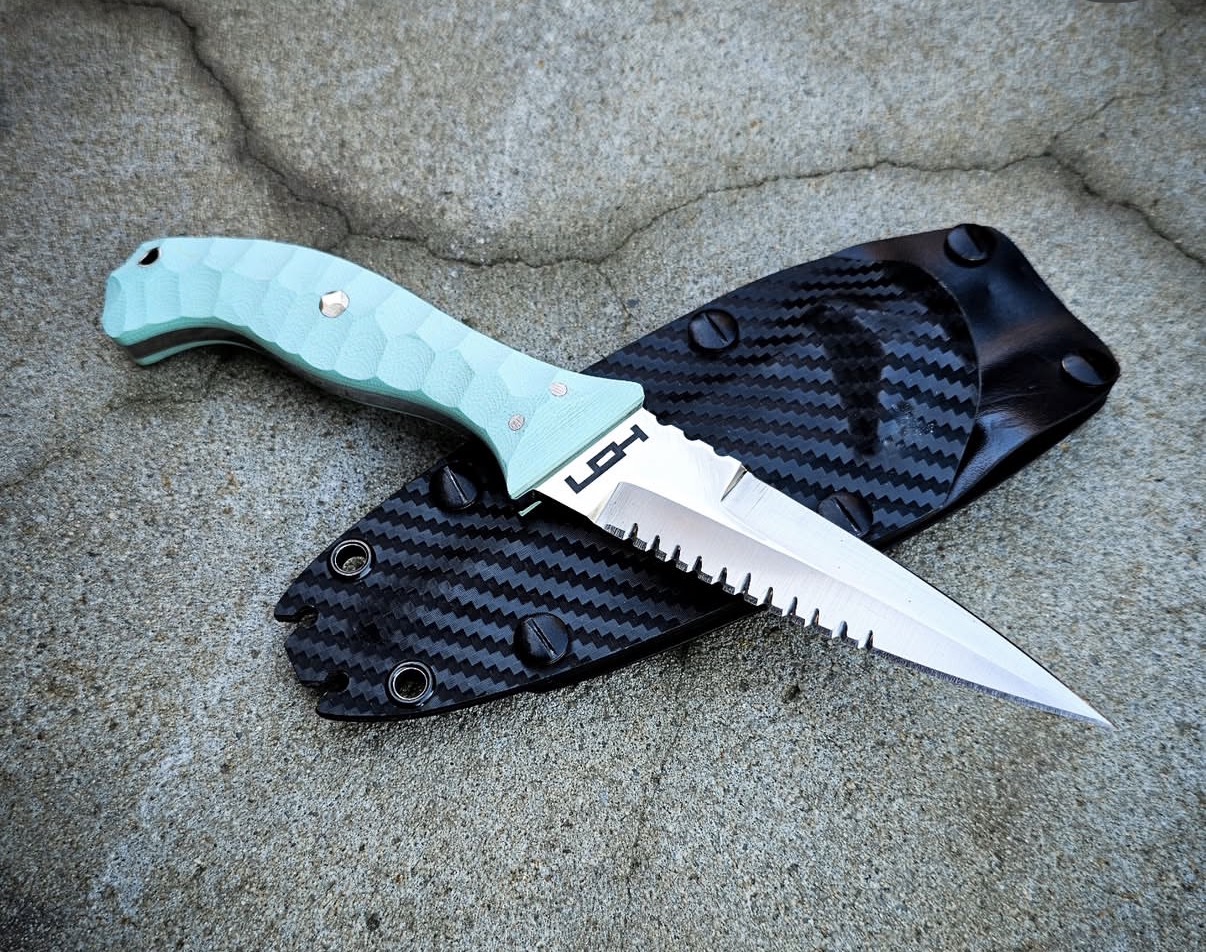
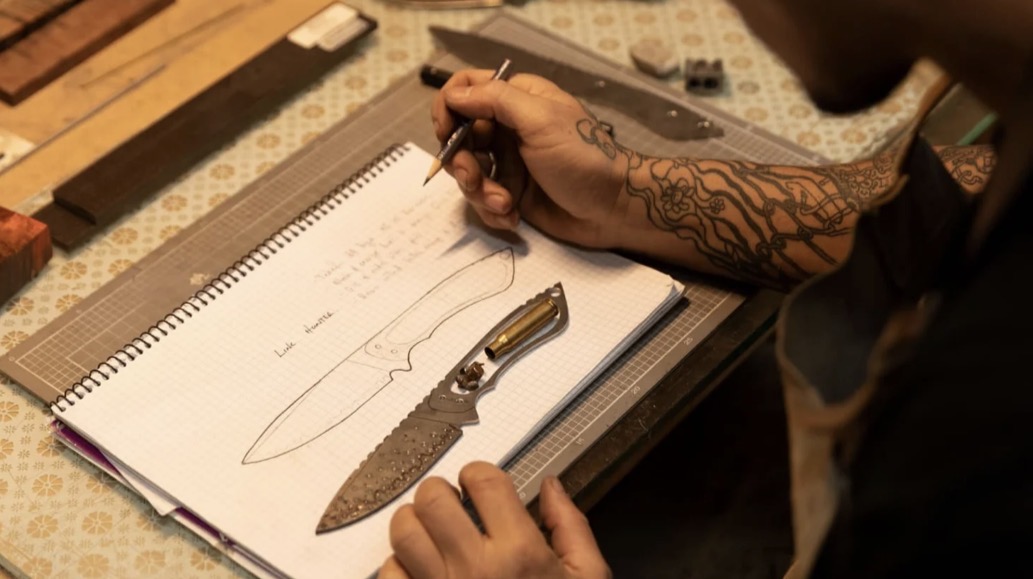
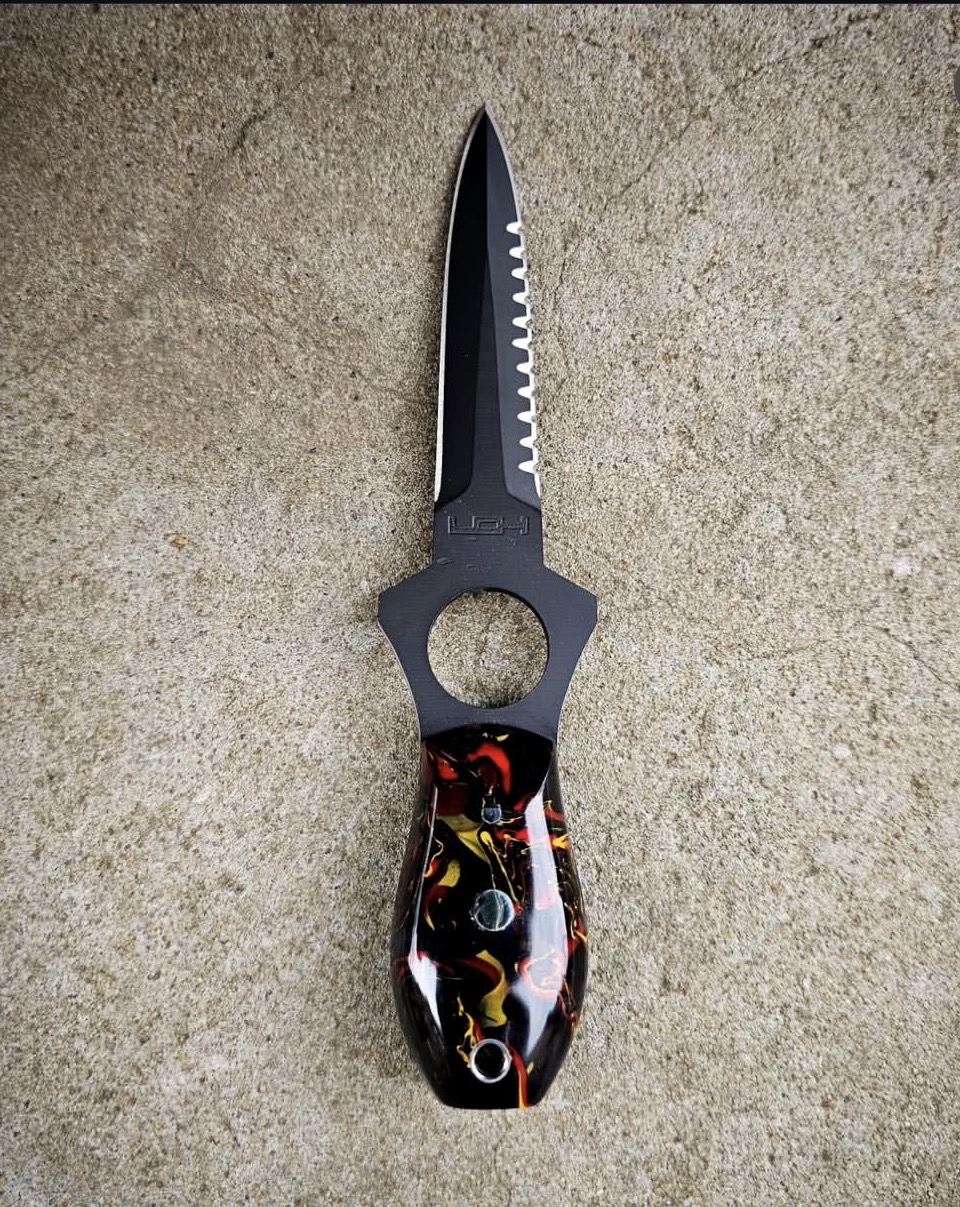
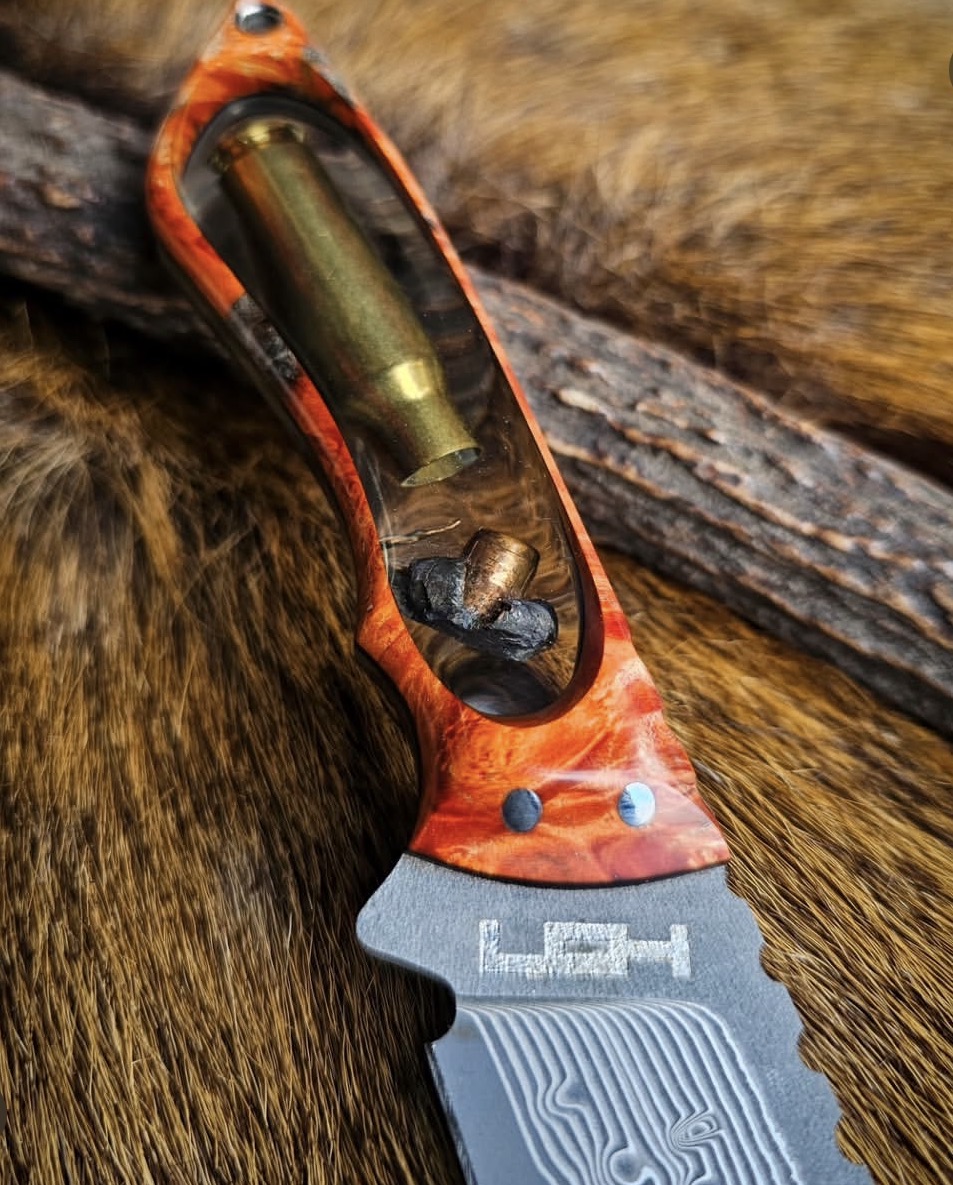
I strive to use the best available materials for purpose. Dive daggers are made from Magnacut / PM-X Gold stainless steel, renowned for its extremely high corrosion resistance, toughness, and edge retention. There is no such thing as corrosion-proof without compromising other necessary steel attributes — minor rust will occasionally occur but will be minimised by proper care.
Handle materials are stable and non-reactive, with fasteners and fittings made from non-ferrous materials. I exclusively use West Systems G-Flex as a bonding agent.
Always rinse your dagger in fresh water and dry the knife and sheath separately.
Store dry or lightly oiled if storing for extended periods.
Sharpening should be done by hand on whetstones, starting with coarse grit and finishing with fine. Learning to sharpen by hand is an invaluable life skill requiring patience and repetition — maintaining the same angle throughout the process will ensure good results. Knife sharpening jigs can yield good results, if you're into that kinda thing. Get in touch if you'd like any tips or advice here.
Never use pull-through or electric sharpeners.
For serrations, a bit of wet/dry sandpaper wrapped around a hard, thin rod will renew the edge. Start at 400 grit and finish with 1000.
Always clean your knife after use with soap and warm water.
Storage: Stainless knives can be stored dry or lightly oiled if storing for extended periods. Carbon steel knives, including those with stainless jackets, should always be cleaned, dried and oiled after use.
Corrosion and patina: Carbon knives will develop a patina with regular use. The patina is a natural and desirable discolouration of the steel which performs a protective layer. If rust occurs, clean and apply a small amount of product such as Bar Keepers Friend. For anything more intense, get in touch and I'll help you out.
Sharpening should be done by hand on whetstones, starting with coarse grit and finishing with fine. Learning to sharpen by hand is an invaluable life skill requiring patience and repetition — maintaining the same angle throughout the process will ensure good results. Get in touch if you'd like any tips or advice here.
Never use pull-through or electric sharpeners. Knife sharpening jigs can yield good results if you're into that kinda thing.
For serrations, a bit of wet/dry sandpaper wrapped around a hard, thin rod will renew the edge. Start at 400 grit and finish with 1000.
For commissions, inquiries, or sharpening advice — I'd love to hear from you.